CogniPraxisACADEMY Register your interest
COGNIPRAXIS · VISION & TEAM

Education can developknowledge and the person, together.

From research to practice · From school to life

CogniPraxis grew from a simple observation: research already knows a great deal about how children learn and grow. What is missing is the design that brings it into every lesson.

◆ Starting in Cambridge 2026 · Online & Athens from 2027

FROM RESEARCH TO PRACTICE

THE STARTING POINTResearch
THE BRIDGEDesign
IN EVERY LESSONPractice
KnowledgeGrowth
20+years in education, from the classroom to research.
6–16one continuous programme, across four developmental zones.
2026Cambridge: the first CogniPraxis Academy unit.

OUR VISION

An education that does not have to choose.

Between academic knowledge and personal growth, between school and life. We want every lesson to cultivate both, for the child of today and the person of tomorrow.

OUR MISSION

To turn research into practice, in every lesson.

We turn current science on development and learning into coherent educational design: a Framework, an original curriculum, lesson plans and evidence of progress that work in a real classroom.

OUR HORIZON · FOUR OUTCOMES, NOT ONE

  1. Academic SuccessDeep understanding and knowledge that lasts.
  2. WellbeingA child who feels safe, capable and connected.
  3. AgencyThinks, decides and acts responsibly.
  4. Lifelong GrowthKnows how to learn and keep growing.
FROM OBSERVATION TO DESIGN

Four observations that shaped CogniPraxis.

Each observation became a design decision.

  1. 01
    Research in the classroomThe observation

    Science does not always reach the classroom.

    Our response

    We turn what research shows into lesson plans an educator can teach tomorrow.

  2. 02
    Knowledge + GrowthThe observation

    A child’s knowledge and growth are usually cultivated separately.

    Our response

    Every lesson is designed twice: once for what the child will learn and once for how they will grow.

  3. 03
    Academic contentThe observation

    Capabilities grow best within substantial content, not in a vacuum.

    Our response

    Mathematics, Language & Literature and Science are the core. From there, the Bridge opens a human question.

  4. 04
    Pedagogical designThe observation

    What is not explicitly designed rarely happens in the classroom.

    Our response

    Every target has a declared route of cultivation, a place in the six lesson stages and a way for progress to show.

THE FOUNDER

From the classroom to research — and from research to practice.

A journey in four stages, joined by one question: what does a child need to thrive at school and in life?

  1. THE CLASSROOM

    Knowledge was necessary. It was not enough.

    I began as a Physics teacher, preparing students for exams and university, and spent almost two decades in Greek and international private education. Many students succeeded, yet had not developed all they would need at university, at work and in life.

  2. UNIVERSITY OF CAMBRIDGE

    Executive functions, up close.

    My PhD at the University of Cambridge focused on executive functions: the capabilities a child uses to organise their thinking, control their attention and adapt. There I saw how much research already knows about cultivating knowledge and growth together.

  3. UCL INSTITUTE OF EDUCATION

    Growth, over time.

    As a Research Fellow at the UCL Institute of Education, I work on large longitudinal studies that follow generations of children as they grow up. Growth is not linear; it takes time, consistency and sound evidence.

  4. COGNIPRAXIS

    The bridge.

    CogniPraxis connects what I learned in the classroom with what I learned in research: every lesson is designed twice, once for what the child will learn and once for how they will grow. For school and life.

“Research knows. Schools want. Society needs. We build the bridge.”

Dr Konstantinos Tsigaridis · Founder
THE TEAM

Science and practice, together throughout the design.

Researchers who know the classroom and educators who read the research. Every design passes through both before it reaches children.

RESEARCH COLLABORATORS

Dr Andreas Stamatis

Mental Toughness

Dr Andreas Stamatis

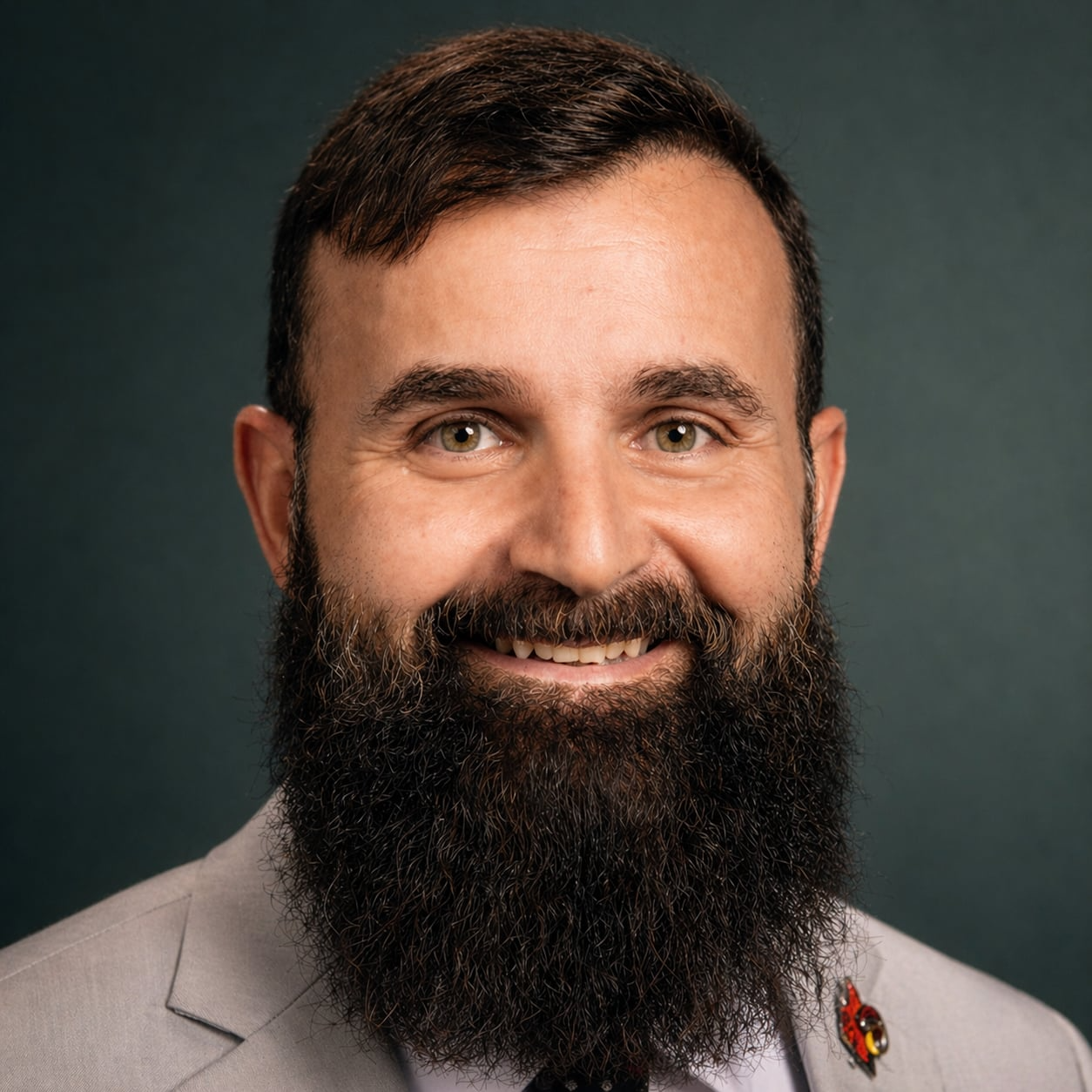
PhD in Educational Psychology, Baylor University · Associate Professor, University of Louisville

His research on mental toughness underpins the Mental Toughness dimension of the CogniPraxis Framework. Together with Dr Tsigaridis, he trains the Academy’s educators.

Dr Rui Wang

Cognitive Science · Cross-Cultural Education

Dr Rui Wang

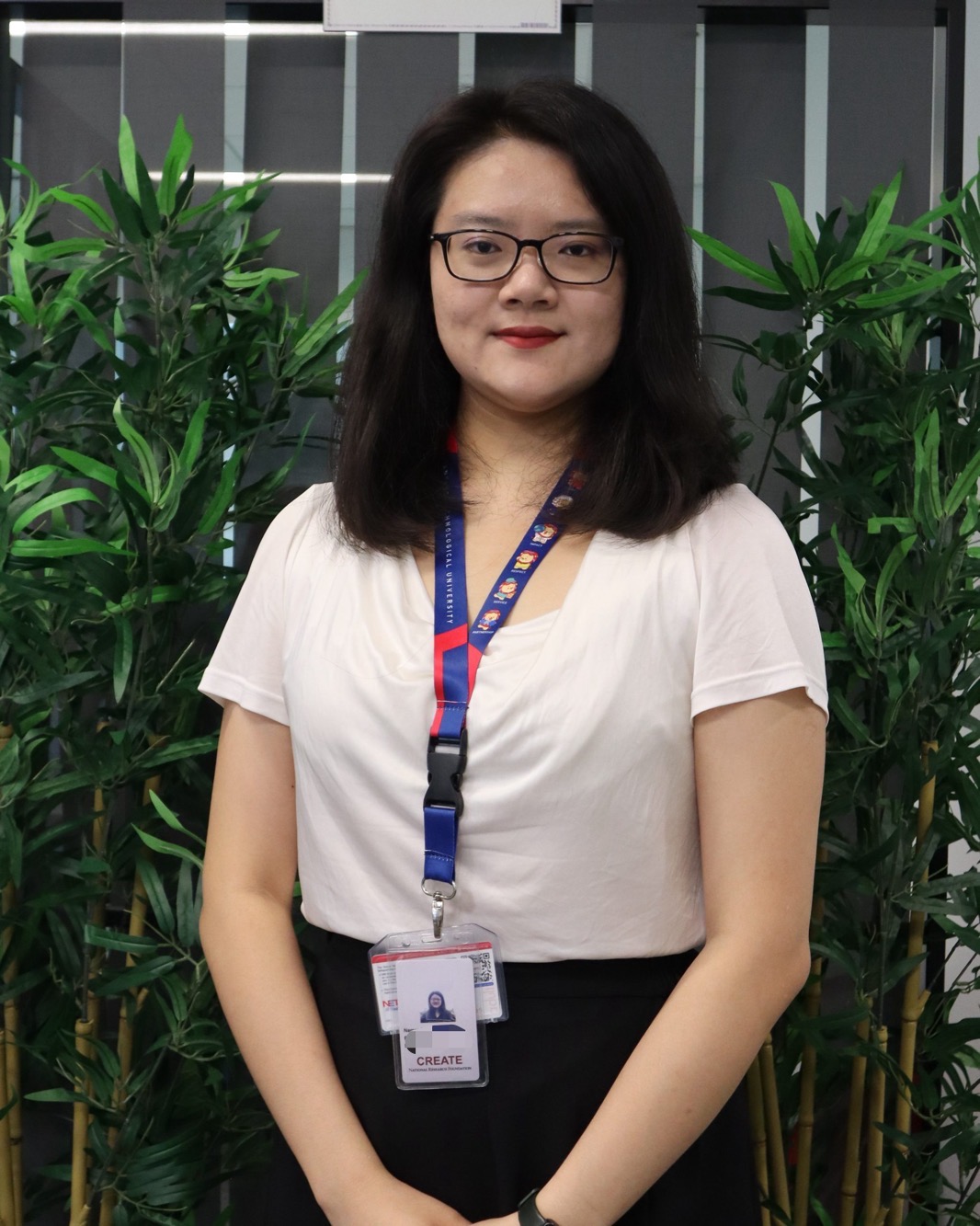
PhD in Psychology & Education, University of Cambridge · Research Fellow, Nanyang Technological University

Brings the perspective of cognitive science and of comparing education systems, so that the design holds across cultural contexts and in both tracks, Greek and English.

THE ACADEMY’S EDUCATORS

Two in every lesson.

One teaches, the other observes and records evidence. We choose them for three things:

  • Subject knowledgeStudy and experience in the subject they teach.
  • Relationship with the childWarmth, patience and high expectations for every child.
  • Training in CogniPraxisThey are trained in the CogniPraxis Framework before their first lesson and continue with training and calibration every year.

[The team will be introduced here when enrolment opens.]

PRACTITIONER NETWORK

Research meets the real classroom.

Practising educators trial and review the lesson plans before they reach children. The network covers:

  • All agesEducators from primary to upper secondary school.
  • All subjectsMathematics, Language & Literature, Science, History, Technology and the Arts.
  • Different education systemsEducators from Greek and international schools.
HOW WE WORK

Research and practice in constant dialogue.

Every part of the programme goes through five steps, and goes through them again when the evidence shows something can be better.

  1. Research

    “What do we know?”

  2. Design

    “How does it become a lesson?”

  3. Classroom trial

    “Does it work with real children?”

  4. Refinement

    “What needs to change?”

  5. Consistent delivery

    “How does it stay the same in every classroom?”

Four principles we do not compromise on.

  1. Evidence-informed, without overstatement

    Research guides the design; we do not use it as a seal of approval. We do not promise what cannot be evidenced.

  2. Knowledge and growth, together

    Every lesson is designed twice. Capabilities are cultivated within the task, through the Bridge and through the way we work.

  3. Design that holds up in the classroom

    A good idea is not enough. Everything we design is tested with real children, real time and real constraints.

  4. With respect for the child

    We measure to help every child grow, not to rank them. In the Bridge we assess how a child thinks, never what they believe.

CONTACT

Let’s get to know each other.

For a question, an idea or a collaboration. A person replies, not an automated system.

We will use your details only to reply to you. Privacy Policy

↑